When Field Operations Depend on Emails and Spreadsheets
A growing Wildlife Removal company was operating on a fragmented workflow built around inbox threads and spreadsheets. Technicians completed site inspections, took photos, and then manually embedded those images into email quotes. Proposals were slow to produce and inconsistent in format, which weakened the company’s professional image. Customer data was scattered across spreadsheets with no centralized visibility. Leads were difficult to track, follow-ups were inconsistent, and management had limited insight into pipeline status. Once a deal was closed, invoicing and payment collection were handled manually, creating delays and unnecessary friction. There was also no structured handoff from sales to operations. A signed agreement did not automatically generate a technician work order. Every transition required manual coordination, which slowed execution and increased the risk of miscommunication.
Engineering a Structured Field Service System
Exploge rebuilt the workflow from the ground up using Make.com as the orchestration layer, transforming disconnected steps into a unified operational engine.
Digital Proposal Automation
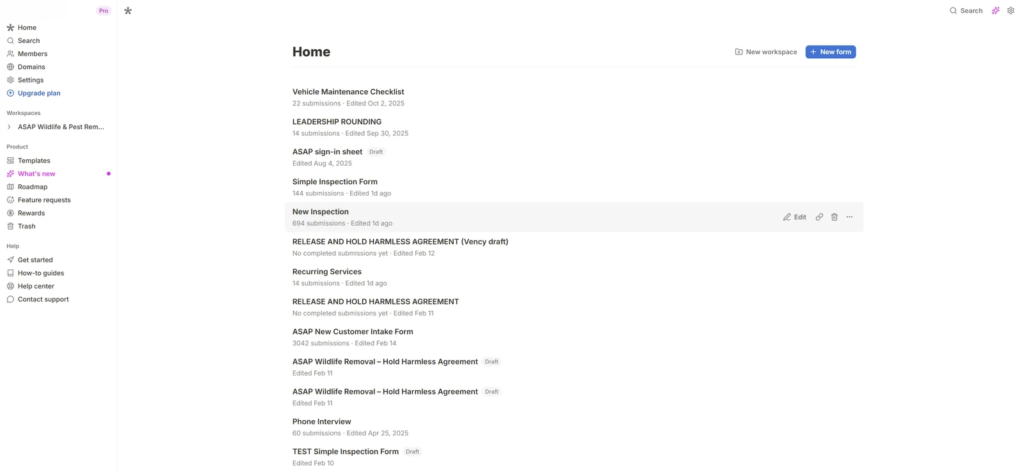
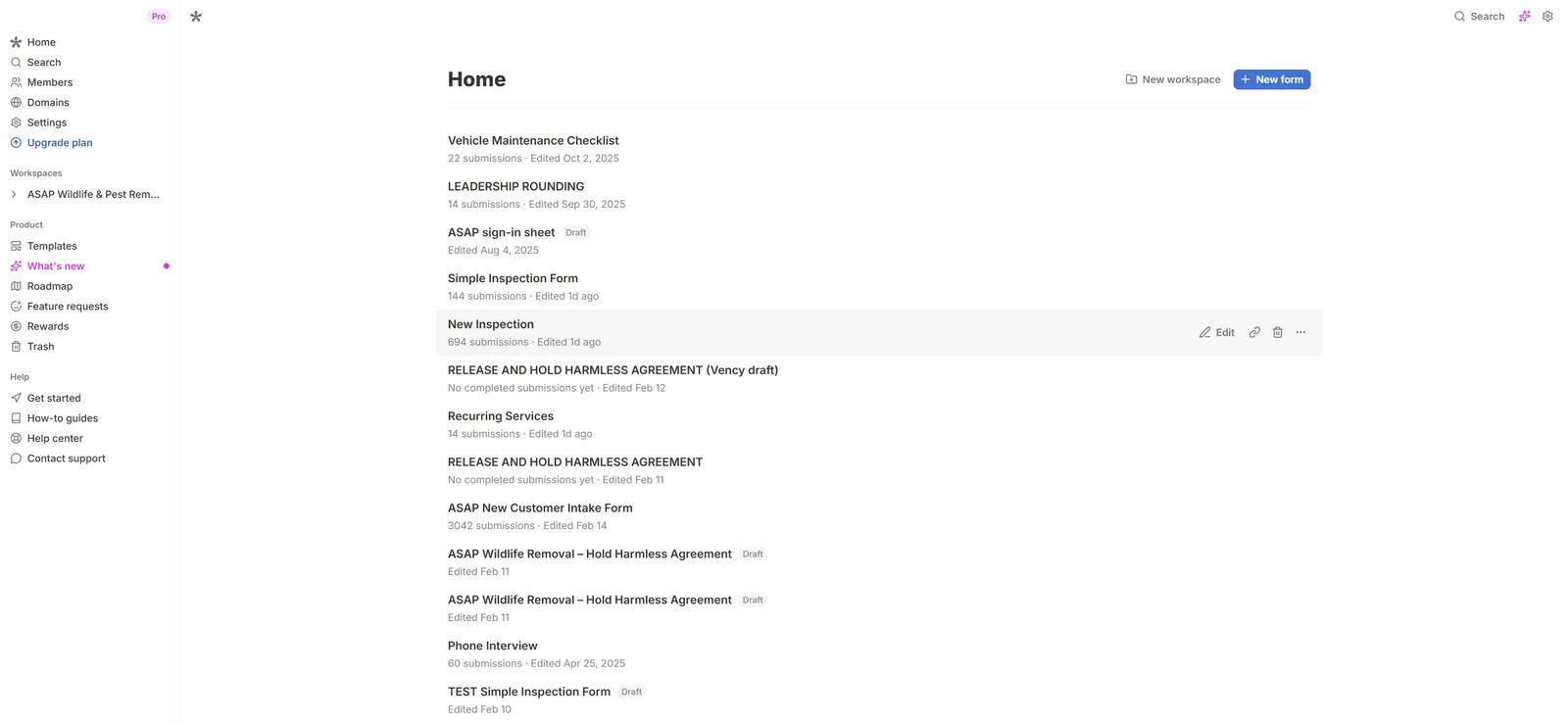
Technicians now use Tally on-site to capture inspection details and upload images in real time. The moment the form is submitted, the data triggers automated document generation inside PandaDoc. A professional, image-rich proposal and contract is generated instantly without manual formatting or email drafting. What previously required hours of manual assembly now happens within seconds of completing an inspection.
Centralized CRM and Workflow Control
Every form submission automatically creates a new contact and board item inside Monday.com. This becomes the operational hub for the business. Proposal status updates are synchronized in real time. When a client views or signs the document in PandaDoc, the status inside Monday.com shifts automatically from sent to signed. Management gains immediate visibility into every stage of the sales cycle without relying on manual updates.
Automated Fulfillment and Billing
Once a contract is signed, the automation engine triggers invoice creation inside Stripe based on the selected service package. Payment requests are issued immediately without staff intervention. Simultaneously, a signed agreement generates structured tasks inside Monday.com for the field team. Specific work instructions such as sealing vents or removing animals are automatically assigned. Sales no longer needs to brief operations manually. The system handles the transition instantly.
Post-Job Customer Engagement
When a technician marks a job as complete inside Monday.com, a closure workflow activates automatically. The customer receives a personalized follow-up email that includes links to leave a review or report any issues. This ensures feedback is captured systematically and reinforces professional communication after service delivery.
Measurable Business Impact
Proposal turnaround time was reduced by approximately 80 percent. Quotes that once required extended manual preparation are now generated immediately after inspection. Conversion rates improved due to professional, interactive contracts delivered instantly. Operational lag between contract signature and work dispatch was eliminated. Field teams receive structured work orders the moment a deal closes. Integrated payment automation accelerated cash flow and removed the need for manual invoicing follow-ups. The company transitioned from a reactive, email-driven workflow to a scalable field service infrastructure capable of handling higher job volume without increasing administrative staff.
Technical Architecture
The system was engineered through API-driven integrations connecting Tally, PandaDoc, Monday.com, and Stripe, orchestrated via Make.com. Event-based triggers, structured data mapping, and real-time status synchronization ensure every action automatically initiates the next step in the workflow. This was not a simple integration. It was a full operational transformation from manual coordination to automated execution.
Structured Execution, Not Email Threads
If your field service operation still depends on email threads and spreadsheets, your growth is limited by process, not demand.